Painting commercial vehicles is very different from refinishing passenger cars. Trucks, buses, delivery vans, trailers, and fleet vehicles have larger surfaces, higher roofs, and more complex body structures. For repair centers, fleet maintenance facilities, and commercial vehicle manufacturers, achieving a consistent finish while keeping work moving requires the right equipment and working environment.
A commercial vehicle paint booth provides a controlled space for spray painting and, where the system is designed for it, drying or baking. With suitable airflow, filtration, lighting, and booth dimensions, businesses can improve finish consistency, organize their workflow, and manage overspray more effectively. Here are the main benefits to consider when investing in a commercial vehicle paint booth.
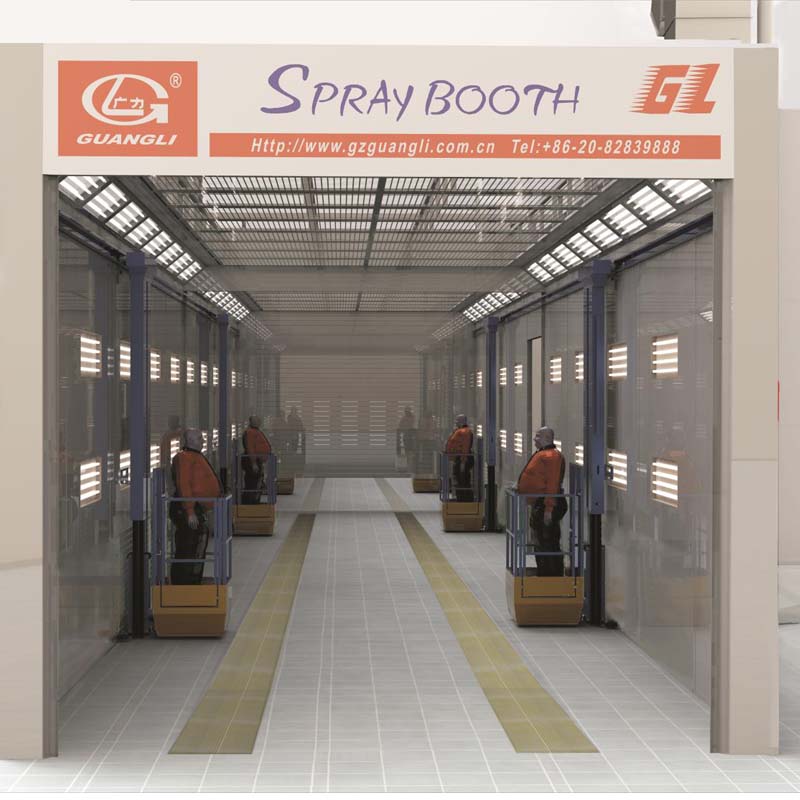
Commercial vehicles often have large body panels, long side surfaces, and areas that are difficult to reach. Painting these surfaces in an uncontrolled workshop can expose wet paint to dust, airborne particles, and inconsistent working conditions. The result may include surface contamination, uneven appearance, or additional polishing and rework.
A properly designed paint booth helps control the environment around the vehicle during spraying. Filtered supply air reduces airborne contamination, while an appropriate exhaust system helps remove overspray from the working area. Suitable lighting also helps painters identify coverage issues, surface defects, and color differences before the job is completed.
For fleet operators, consistent appearance matters. Trucks and buses often carry company logos, brand colors, or fleet identification graphics. A more controlled painting process helps repair teams maintain a uniform appearance across vehicles that are refinished at different times.
A standard passenger-car booth may not provide enough internal space for a full-size truck, city bus, trailer, or specialized commercial vehicle. Insufficient clearance can make it difficult to position equipment, reach upper body panels, and maintain a safe working distance while spraying.
Commercial vehicle paint booths can be designed around the dimensions and service requirements of the vehicles being painted. Depending on the project, this may include a longer cabin, increased internal height, wider access doors, drive-through access, or a layout suitable for large equipment.
When planning a new installation, consider more than the vehicle's overall length. Allow for mirrors, roof-mounted equipment, open doors, operator access, work platforms, and the movement of vehicles through the facility.
Businesses handling mixed fleets can review custom truck paint booths to explore options for large vehicles and non-standard dimensions.
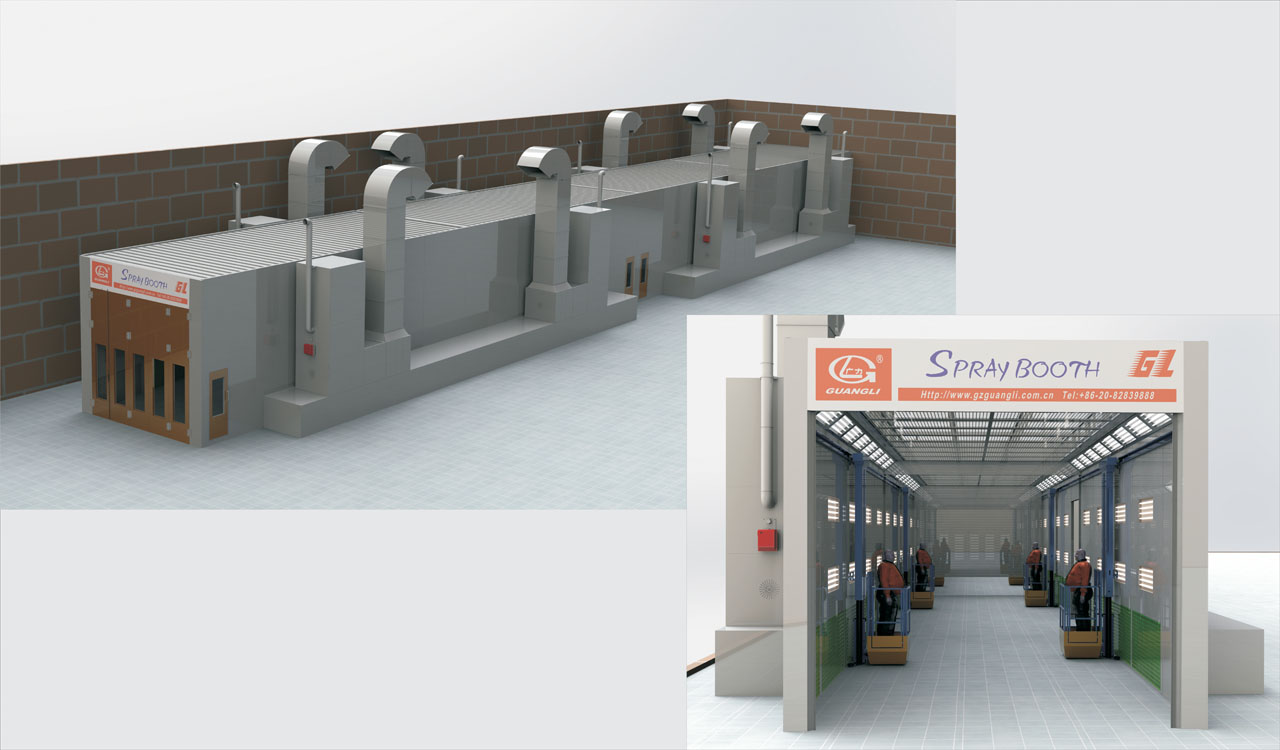
For commercial vehicle repair businesses, workshop capacity directly affects scheduling and customer service. When painting takes place in a shared or poorly organized area, jobs may be delayed by dust control, equipment movement, preparation work, or the need to clear space for other tasks.
A dedicated paint booth creates a defined area for the spraying stage. When integrated with preparation stations and a suitable drying process, it can help technicians move vehicles through each stage with fewer unnecessary interruptions.
Productivity improvements depend on the whole operation, not just the booth. Before choosing a system, review daily job volume, average vehicle size, preparation time, paint application requirements, and the time needed for drying or curing. A booth that fits the real workflow is generally more useful than one selected only for its headline specifications.
For workshops handling multiple repair jobs, automotive preparation stations can help organize sanding, priming, and other suitable preparation tasks before vehicles enter the paint booth.
Spray painting generates airborne paint particles and potentially hazardous vapors. Without appropriate controls, these contaminants can spread into other work areas, settle on nearby equipment, and create additional cleaning requirements.
A commercial vehicle paint booth uses an engineered airflow path and filtration system to help control overspray. Depending on the design, air may move horizontally, from the ceiling toward the floor, or through another configured airflow pattern. The appropriate arrangement depends on the application, building layout, vehicle size, and painting process.
Filtration is only one part of the solution. Exhaust discharge, make-up air, ventilation rates, fire protection, and any required emissions treatment must be considered as part of the complete installation. The system should be designed and operated in accordance with applicable local safety and environmental requirements.
Where required, paint booth equipment can be planned alongside suitable filtration and environmental control components to meet the facility's operating needs.
Painting large vehicles can involve extended work periods, elevated surfaces, spray equipment, and materials that require careful handling. A purpose-designed booth helps establish a defined work area and can support more organized procedures for painting and equipment use.
Appropriate lighting, ventilation, access doors, and correctly positioned controls can make routine work easier to manage. For tall vehicles, technicians may also need suitable access platforms or lifting equipment to reach roof sections and upper body panels without relying on improvised arrangements.
It is important to remember that a paint booth does not eliminate every workplace hazard. Safe operation also requires suitable personal protective equipment, trained personnel, proper chemical handling, regular maintenance, and compliance with fire and electrical safety requirements.
A lower purchase price does not always mean a lower long-term cost. If a booth cannot maintain suitable working conditions, or if it is too small for the vehicles being handled, the business may face avoidable delays, additional finishing work, and workflow bottlenecks.
A well-matched system can help reduce paint contamination and support more repeatable results. Over time, this may lower some rework costs and improve the use of labor and workshop space. Actual savings depend on existing processes, equipment settings, maintenance, paint materials, and operator experience.
Energy consumption should also be included in the purchasing decision. Fans, burners, heating systems, and lighting all affect operating expenses. Ask suppliers for the relevant power requirements and operating specifications, and compare them against the expected working schedule.
Not every commercial vehicle paint booth needs the same airflow configuration. Crossdraft systems move air across the booth, while downdraft systems are designed to move air from above the vehicle toward the floor or extraction area. Semi-downdraft and side-draft arrangements offer other options depending on the design.
The best choice depends on the finish requirements, vehicle dimensions, building structure, installation budget, and local regulations. A larger booth does not automatically deliver better results if its airflow, filtration, or heating capacity is unsuitable for the intended work.
When comparing proposals, ask the manufacturer to explain the airflow path, filtration stages, exhaust arrangement, available heating options, and maintenance requirements. If the booth will be used for different vehicle types, confirm how the design accommodates each application.
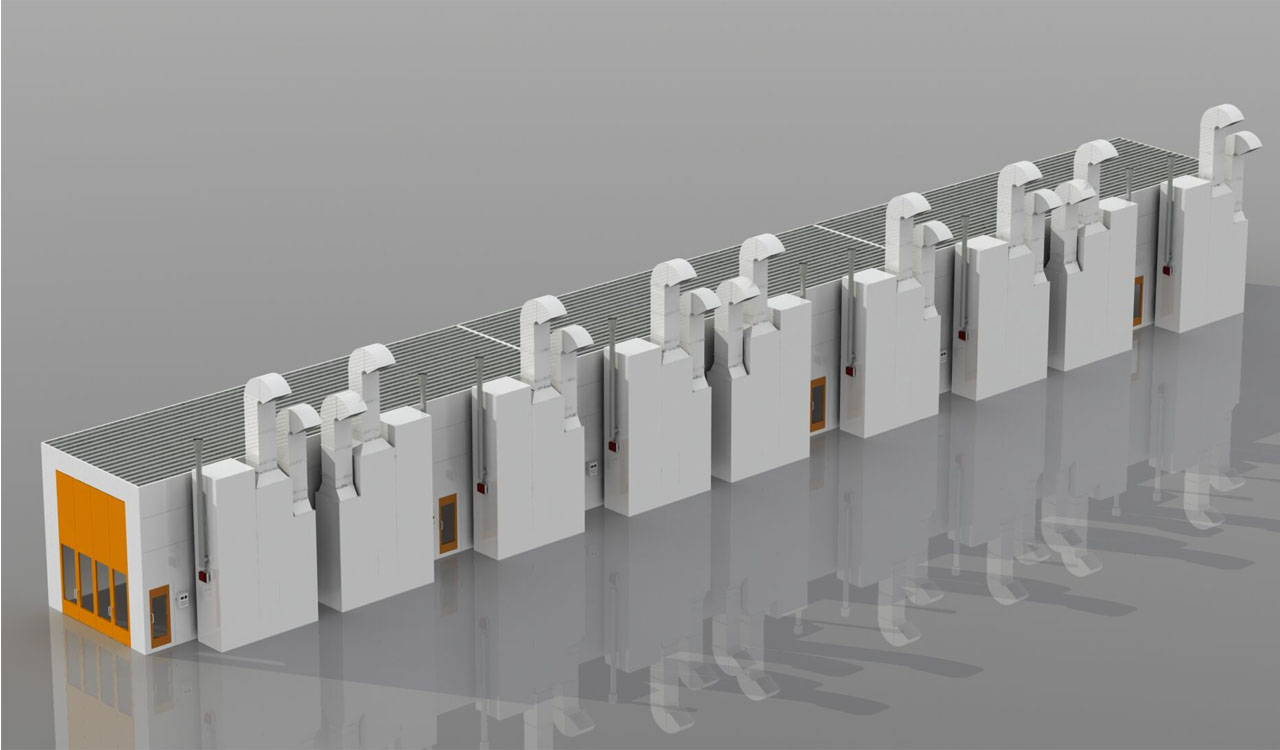
For repair groups, fleet operators, distributors, and commercial vehicle manufacturers, the purchasing process should start with a clear specification. Providing accurate project information helps the manufacturer recommend a suitable configuration rather than a generic booth that may not fit the site.
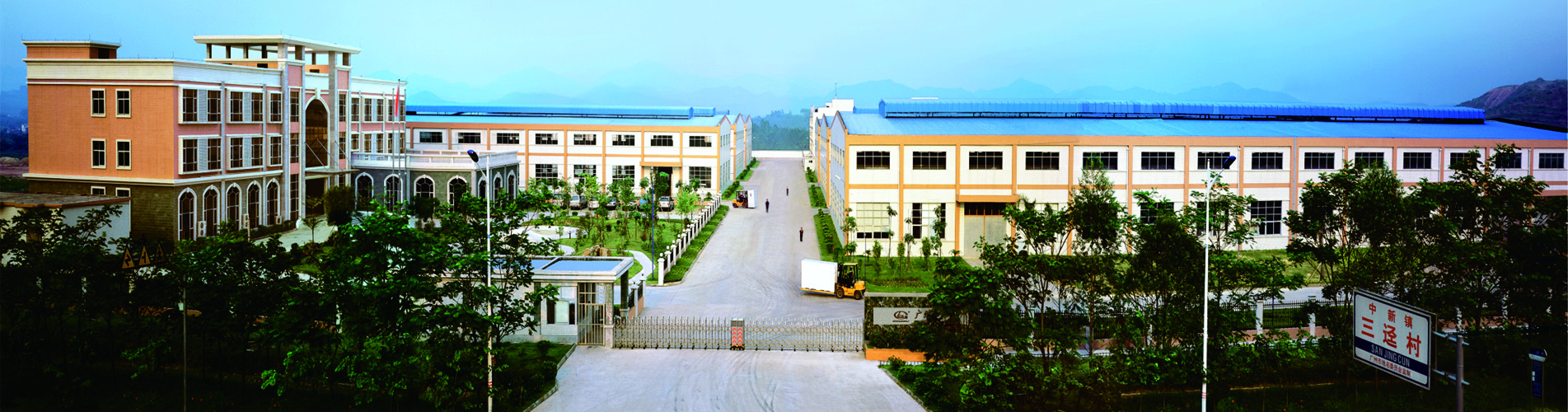
As an experienced spray booth manufacturer, GZ GUANGLI offers vehicle painting equipment and customized solutions for different workshop requirements. Buyers can share vehicle dimensions, site drawings, preferred configuration, and expected production volume to help define a suitable project specification.
It provides a controlled space for painting trucks, buses, vans, trailers, and other commercial vehicles. Depending on the system, it can help manage airflow, filter overspray, improve lighting, and support drying or baking processes.
Yes, if the booth dimensions, access arrangements, and equipment are designed for the largest vehicles and the required work. Buyers should confirm clearance for mirrors, roof equipment, work platforms, and vehicle movement before ordering.
A properly designed and maintained booth can help reduce airborne contamination and provide more consistent painting conditions. Results also depend on surface preparation, paint selection, application technique, airflow settings, and operator training.
There is no single best configuration for every facility. Crossdraft, semi-downdraft, side-draft, and downdraft systems have different installation and operating considerations. The choice should reflect the vehicle size, finish requirements, workshop layout, and budget.
Many manufacturers offer customized booth dimensions and configurations. Customization may cover cabin size, access doors, airflow design, lighting, heating, and compatible work platforms. Confirm the available options and installation requirements with the supplier.
Cost depends on booth dimensions, airflow system, heating capacity, filtration, materials, automation, installation, and destination-market requirements. Request a quotation based on a complete specification so that different suppliers' proposals can be compared fairly.
A commercial vehicle paint booth is a long-term investment in paint quality, workflow organization, and workshop capability. The right system should accommodate the vehicles being serviced, support the required finish, provide suitable airflow and filtration, and fit the site's technical and regulatory requirements.
Before placing an order, define the vehicle dimensions, expected workload, preferred airflow configuration, and installation conditions. With these details in hand, buyers can compare customized proposals more accurately and select equipment that supports their operation over the long term.

Čína největším výrobcem stříkací kabiny,nábytek barvy kabiny a muž zvedne od roku 1994


 Česky
Česky English
 français
 русский
 فارسی
فارسی español
 português
 العربية
 Indonesia
 românesc
 български
 IPv6 síťově podporováno